
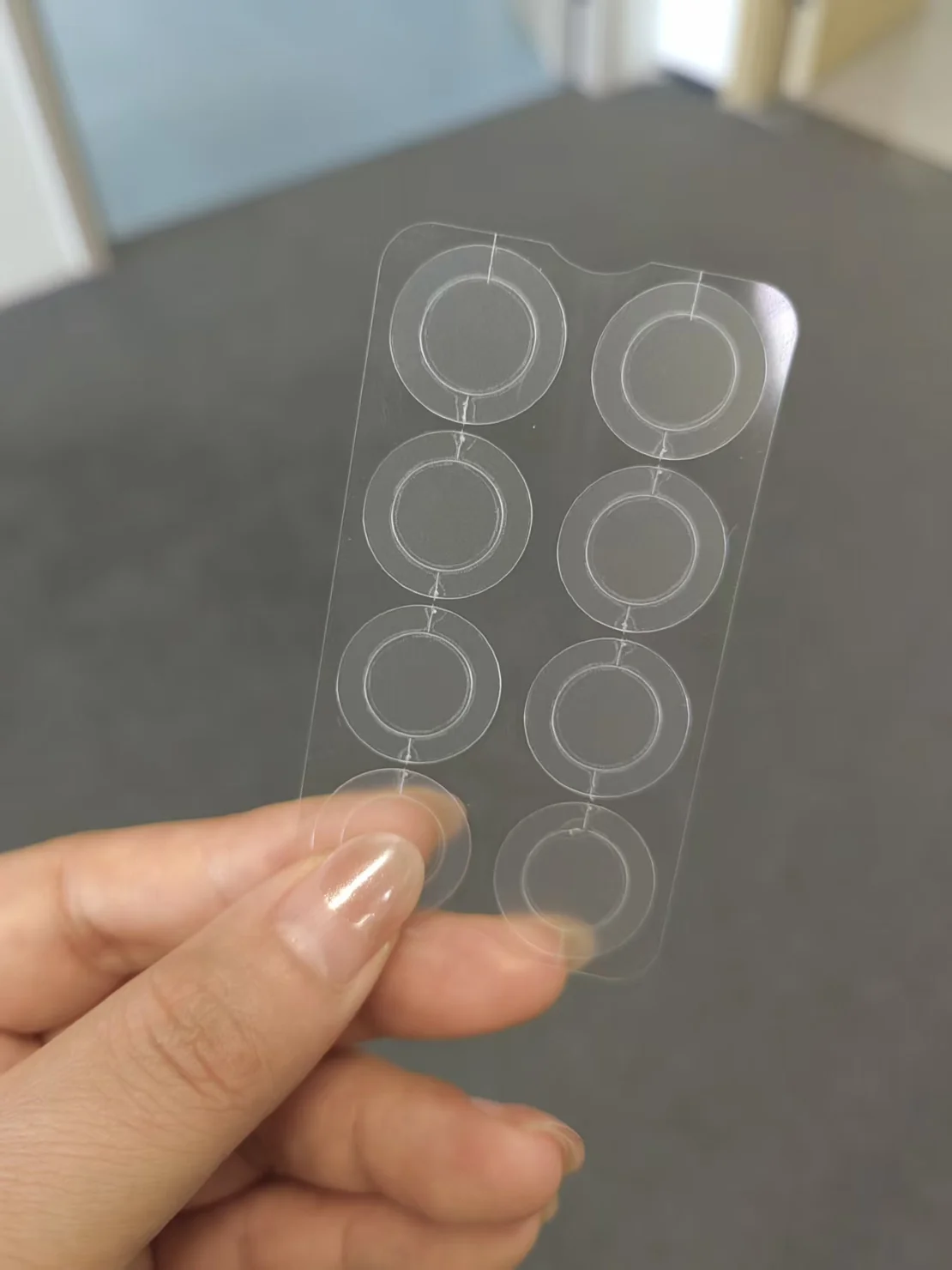
Inspect the sheet in sequence
Request one reference with the surrounding material intact and a second in the intended finished condition. Mark thin bridges, internal openings and closely spaced tips on the drawing. Follow those locations across the stripped sheet. If an end has moved, record the position and keep the nearby waste for the supplier to inspect. A photograph taken before anyone straightens the part can be particularly helpful.
Agree how to classify remnants
Decide which surrounding material is intentionally retained for handling and which openings need to be clear. State the expected appearance on a marked-up drawing. If a change to spacing or corner geometry is proposed, check that it still fits the tray and preserves the required coverage. Ask for a second sample in the same material stack before releasing the layout.
Frequently asked questions
Should the waste always be removed?
Some layouts intentionally retain it. Describe the finished presentation for each layer so the reviewer can tell designed retention from incomplete stripping.